
Excavator Financing Canada Guide
Original publisher: Mehmi Financial Group · Published · Source updated
Canada-Wide · Construction & Heavy Equipment
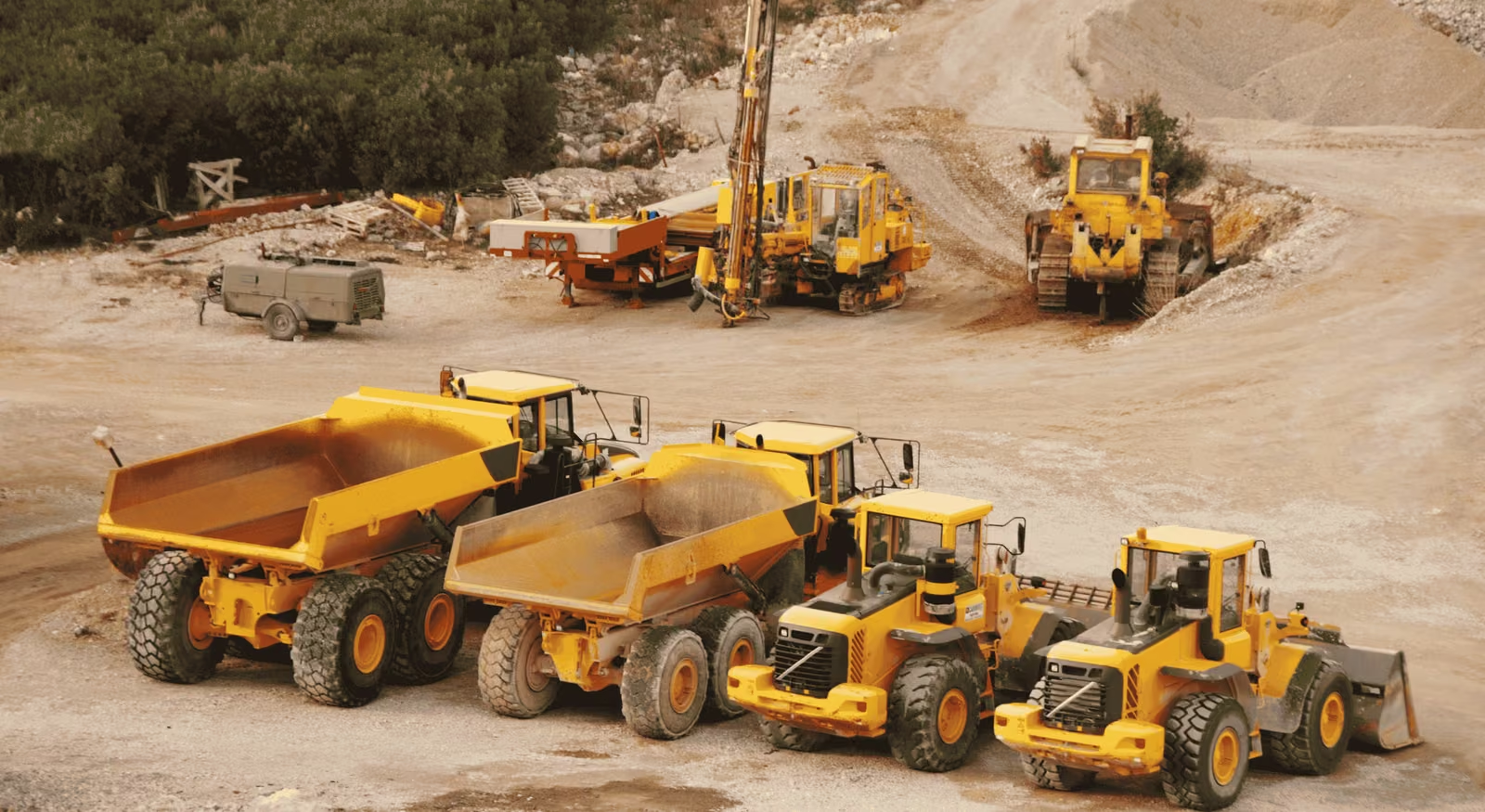
Quick answer: In Canada, “excavator financing” usually means a lease structure where the machine is the collateral and the payment is sized to your utilization, not your best month.
Key takeaways
- Hours, age, condition, attachments, service history and seller credibility can materially change the financeability of a used excavator.
- Compare lease and loan structures on total cash required, total payments, ownership and exit flexibility.
- Size the payment for a slower month, not only for peak-season utilization.
On this page
- Excavator lease vs. equipment loan
- What excavator financing looks like in Canada
- What an excavator “really costs” (and what you should finance vs pay cash)
- Lease structures that fit excavation cash flow
- New vs used excavator financing: what lenders actually care about
- Dealer purchase vs private sale: which is easier to finance?
- The underwriter lens: how excavator approvals really work (5Cs + risk thinking)
- A subcontractor-friendly ROI mini-calculator for an excavator
- GST/HST and tax basics for excavators in Canada
- What lenders will ask for: an excavator financing checklist
- Common mistakes that make excavator deals expensive (or unfinanceable)
- Illustrative scenario: adding a second crew with an excavator, without breaking cash flow
Broker insight: For used excavators, the underwriter is financing more than a serial number. Maintenance history, undercarriage condition, hours and attachment value influence what the machine is worth if the business cannot complete the term. Better asset documentation reduces uncertainty.
Excavator lease vs. equipment loan
| Decision factor | Equipment lease | Equipment loan | What to verify |
|---|---|---|---|
| Upfront cash | Compare deposit, first payment, taxes, fees and any required equity. | Compare down payment, taxes, fees and closing costs. | Total cash required before the excavator can be put to work. |
| Monthly cash flow | Payment depends on term, structure and any residual or buyout. | Payment depends on amount financed, rate and amortization. | Whether payments still fit during a slower month or seasonal period. |
| Ownership | Review the buyout, return or renewal provisions at the end of the lease. | The business generally purchases the machine while the lender registers security. | Who owns the excavator during the term and how security is discharged. |
| Flexibility | Review upgrade, early payout and end-of-term options. | Review prepayment, refinance and payout terms. | The cost of changing plans before maturity. |
| Used equipment | Age, hours, condition, seller and valuation can affect either structure. | Confirm lender acceptance before paying a non-refundable deposit. | |
If you’re searching “excavator financing Canada,” you’re usually trying to solve one of three problems: win bigger jobs, stop bleeding on rentals, or add a second crew. The best financing answer in Canada is often a leasing-first structurenot because leasing is “magically cheaper,” but because the right lease matches payments to how excavation businesses actually get paid (progress draws, holdbacks, seasonal swings, and unpredictable downtime).
This guide walks you through excavator lease structures, used vs new approvals, private sale vs dealer pitfalls, GST/HST timing, the underwriter lens (5Cs + real risk thinking), and a practical ROI mini-calculatorplus an anonymous Canadian illustrative scenario you can copy.
What excavator financing looks like in Canada
best month.
Most Canadian excavator deals land in one of these buckets:
- Finance lease (lease-to-own / $1 or fixed buyout): best when you plan to keep the excavator long-term and want a simple ownership path.
- FMV lease (fair market value / residual-based): best when you want lower payments and optional upgrade flexibility at the end.
- Refinance / sale-leaseback: best when you own equipment already and want to unlock cash without pausing operations.
If you want a broad foundation first, start here: Equipment leasing in Canada (2026 guide).
What an excavator “really costs” (and what you should finance vs pay cash)
Key point: Underwriters and smart operators both care about the all-in machine package, not just the sticker price.
Beyond the excavator, your true budget often includes:
- buckets (cleanup, trenching, grading), quick coupler
- hydraulic thumb, tilt bucket, breaker, auger
- trailer, tie-downs, safety gear
- delivery, prep, inspection, warranty options
- GPS / grade control (if it’s core to your jobs)
- initial service, fluids, filters, and wear items
Deal reality: Many leasing structures can include attachments and “hard” soft-costs (delivery, setup, sometimes warranty) if they’re documented properly. If you’re building a full package, it’s usually cleaner to finance it as one “productive unit,” not a bunch of mini-deals.
Lease structures that fit excavation cash flow
Key point: Don’t pick the lowest payment: pick the structure that survives slow months, breakdowns, and delayed draws.
Here’s the practical comparison:
If you’re deciding between a fixed buyout and FMV, this breakdown helps: When leasing beats buying for equipment.
New vs used excavator financing: what lenders actually care about
Key point: Used excavators can be financeable, but approvals depend on age, hours, condition, brand/resale market, and documentation more than “the rate.”
What tends to finance easily
- mainstream brands with active resale markets
- clean serial/VIN records, no lien surprises
- documented service history
- reasonable hours for age (and believable usage story)
What creates friction
- very old iron with thin resale markets
- high-hour machines without maintenance records
- rebuild/engine swap stories with weak documentation
- heavily specialized units that narrow the buyer pool
Underwriter logic: A lender isn’t just asking “will you pay?” They’re also asking “if you don’t, can we recover value?” That’s collateral risk (LGD) in plain English.
If your plan includes trading in equipment, review this before you sign anything: Equipment trade-ins and financing: what to know.
Dealer purchase vs private sale: which is easier to finance?
Key point: Dealer deals fund faster because condition and paperwork are clearer; private sales can work, but the file must be tighter.
Dealer purchase (usually smoother)
- invoice package is standardized
- dealer can provide inspection/condition notes
- funding timelines tend to be faster
Private sale (possible, but more conditions)
Expect more requests:
- bill of sale with correct legal names
- serial/VIN verification and photos
- lien search / proof of clear title
- sometimes third-party inspection or appraisal
- confirmation of where the machine is located
Practical tip: If you’re buying private because the deal is “too good,” make sure it’s not good because it’s hard to verify. Funding speed and certainty are part of your cost.
The underwriter lens: how excavator approvals really work (5Cs + risk thinking)
Key point: Excavator approvals are rarely about one number (like credit score). Lenders underwrite the story using the 5Cs: character, capacity, capital, collateral, and conditions.
Character
- experience in excavation / construction
- payment history and transparency
- consistency (quotes, bank deposits, job story)
Capacity (cash flow)
This is the biggest lever: can the business make the payment even when:
- draws are late
- rain delays production
- the excavator is down for a week
If you want a lender-style way to sanity-check affordability, use: DSCR explained + free calculator.
Capital (skin in the game)
- down payment, trade equity, or liquidity buffer
- ability to cover repairs without missing payroll
Collateral
Lenders like excavators because they’re typically strong collateral, when the model has a resale market and the machine’s condition is supportable.
Conditions
- your sector and local demand
- the interest rate environment (which affects payments)
- customer concentration (one GC = higher risk)
As of October 15, 2026, the Bank of Canada target for the overnight rate was 2.25%. On October 28, 2026, the Bank raised it to 2.50% (Bank of Canada). Policy rates influence funding conditions, but commercial equipment pricing still depends on the transaction and borrower. Bank of Canada
A subcontractor-friendly ROI mini-calculator for an excavator
Key point: Don’t justify an excavator with peak-season optimism, justify it with conservative utilization.
Use this simple test:
Stress-test the payment: use conservative rental savings and gross-profit improvement, then require a meaningful cash-flow buffer above the proposed payment. There is no universal safe percentage; the appropriate margin depends on the business and lender.
Where “uplift” can be:
- less rental spend
- less mobilization delay (more billed hours)
- fewer subcontracted scopes
- overtime reduction
- higher margin from controlling schedule
Example (mini excavator replacing rental + enabling more work)
- rental avoided: $2,800/month
- additional billed gross profit: $2,200/month
Total = $5,000 → safe payment ≈ $3,250/month
If you want a quick way to run payment scenarios across terms, use: Equipment financing calculator.
GST/HST and tax basics for excavators in Canada
Key point: The #1 Canadian “gotcha” is cash-flow timing: when you pay GST/HST and when you recover ITCs, not just whether something is deductible.
Lease payments and deductibility
CRA guidance states that businesses can generally deduct lease payments incurred in the year for property used in the business. Canada
(Your accountant will confirm treatment based on your specific structure and facts.)
GST/HST and input tax credits (ITCs)
CRA’s ITC guidance explains that registrants generally claim ITCs for GST/HST paid/payable on purchases and expenses used in commercial activities (with apportionment rules if there’s mixed use). Canada+1
If you want the practical operator version for equipment payments, read: HST/GST on equipment leases in Canada.
Buying and CCA (quick note)
If you buy/finance to own, you’ll typically deal with CCA (depreciation classes, recapture/terminal loss). Two helpful references:
- CCA classes explained + free calculator
- Equipment depreciation in Canada + free CCA calculator
What lenders will ask for: an excavator financing checklist
Key point: Most “delays” aren’t credit. They’re missing documents, unclear structure, or a weak utilization story.
If your bigger issue is payroll/material timing while you scale, pairing equipment with a plan for working capital matters. Start here: Working capital loan eligibility.
Common mistakes that make excavator deals expensive (or unfinanceable)
Key point: Most “bad” excavator deals aren’t about rates. They’re about mismatch: wrong machine, wrong structure, wrong utilization assumptions.
- Overbuying capacity before you have work to feed it (idle iron kills cash flow).
- Choosing the lowest payment without thinking about end-of-term risk (FMV surprises, return condition issues).
- Ignoring attachments (a machine without the right tools doesn’t generate revenue).
- Underestimating repairs on used equipment (no buffer = missed payments).
- Stacking short-term fixes when the problem is receivables timing, sometimes factoring is the correct tool, not a longer lease.
If you’re consistently getting paid late, read: How invoice factoring works and Invoice factoring fees in Canada + free payout calculator.
Illustrative scenario: adding a second crew with an excavator, without breaking cash flow
Key point: The win wasn’t “approval.” The win was structuring the payment so the business survived weather delays and draw timing.
Business (anonymous composite): A small Ontario excavation contractor doing trenching, site servicing, and light foundation prep. One crew was booked solid; the owner kept turning down work because rentals were unreliable in peak season and too expensive for steady use.
The problem:
- rentals weren’t always available when schedules shifted
- one breakdown could idle the whole crew
- cash flow was uneven due to progress billing and closeout delays
What underwriters cared about:
- a believable utilization story (recurring work, not one job)
- payment sized to a “normal slow month”
- collateral quality (mainstream model, documented condition)
- some capital buffer for maintenance and surprise repairs
Structure used (leasing-first):
- a lease-to-own structure on the workhorse excavator
- attachments bundled so the machine was productive Day 1
- term selected to keep monthly payment below conservative ROI math
Outcome (first season):
- fewer dead days and fewer rental scrambles
- steadier weekly output and better schedule control
- improved bidding confidence because mobilization risk dropped
Mehmi Financial Group sees this pattern often: when you finance excavators as capacity tools (not trophies), the deal gets easier and the business gets safer.
A calm next step
If you’re deciding between new vs used, fixed buyout vs FMV, or you’re trying to add capacity without squeezing payroll, Mehmi can review your quote, utilization plan, and cash-flow reality and recommend a structure that fits how excavation businesses actually run.
If you’re also comparing term lengths and how they change total cost, read: Lease term length (24–72 months): how it changes costs and Fixed buyout leases: when they cost less.
Authoritative references
- Innovation, Science and Economic Development Canada: Canada Small Business Financing Program:
The Canada Small Business Financing Program makes it easier for small businesses to get loans from financial institutions by sharing the risk with lenders.
- BDC: Concetta Farina, Account Manager
Eligibility, lender criteria, tax treatment and terms for excavator financing Canada vary by lender and can change. Confirm current details with the lender or vendor and review the final agreement before you commit. Approval is subject to lender review.
FAQ: Excavator financing in Canada (6 questions)
1) Can I finance a used excavator in Canada?
Yes, often: but approvals depend on age, hours, condition, resale market, and documentation (service history and lien clearance matter a lot).
2) Is it better to lease or buy an excavator?
For many contractors, leasing is the safer capacity play because it preserves cash for payroll, fuel, and repairs. Buying can be great when you have strong liquidity and stable utilization.
3) What’s easier to finance: a mini excavator or a full-size excavator?
Both can be financeable. Minis often have a broader buyer pool (helpful for collateral), while full-size machines require tighter utilization proof because payments are larger.
4) Can I include attachments in excavator financing?
Usually yes: especially if they’re on the same vendor quote and clearly tied to making the machine productive (couplers, buckets, thumbs, breakers, etc.).
5) How does GST/HST work on excavator leases?
GST/HST is generally charged on lease payments, and eligible GST/HST registrants can generally claim ITCs for the commercial-use portion under CRA rules. Canada+1
6) What documents do I need to get approved faster?
A complete quote (with serial/VIN for used), attachments list, delivery timing, proof of condition (if used), and basic business/banking information. Most delays are missing paperwork, not “credit.”
Compare your next step
Before requesting financing, confirm the purchase amount, seller or vendor, intended use, business location and the cash the business needs to keep available after closing.
- Review the relevant heavy equipment financing service page for structure, eligibility and document guidance.
- Use the equipment financing calculator to test an illustrative payment against the operating budget.
- Compare total cash required, total payments, fees, security or guarantees, and any end-of-term or early-payout obligations.
Mehmi Financial Group is a commercial financing broker. Financing availability, pricing and terms depend on lender review and the complete application.
Editorial note: Written for commercial-finance education. See Jodhbir Mehmi's author profile, our editorial standards and the website disclaimer. Illustrative examples are not financing offers; final eligibility, pricing and terms depend on provider review.
Compare your equipment financing options
Check upfront cash, scheduled payments, fees and end-of-term costs using the details in your written offers.
Compare written quotes