
Equipment Refinancing Canada Guide
Original publisher: Mehmi Financial Group · Published · Source updated
Canada-Wide
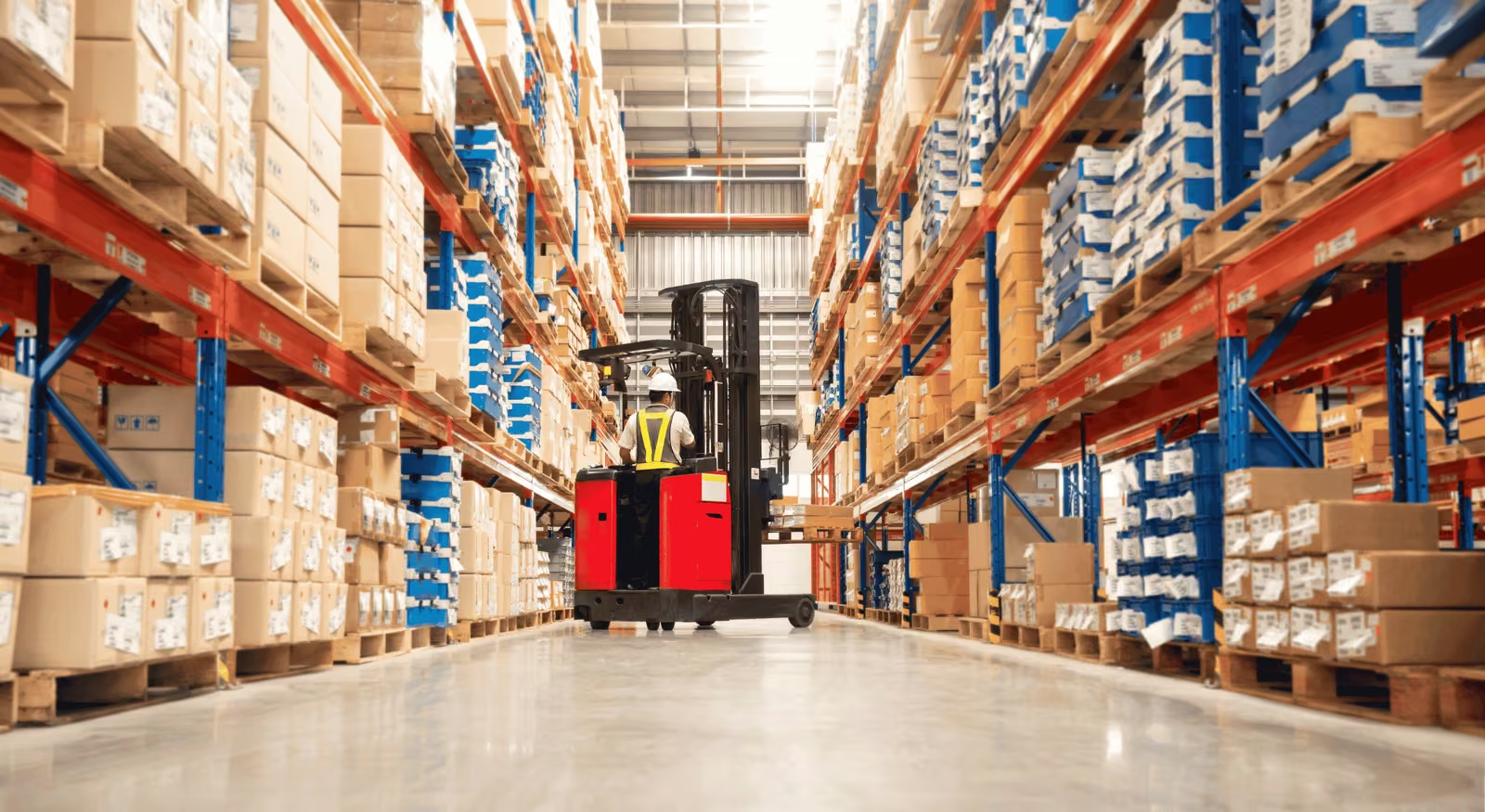
Quick answer: Refinancing equipment is a practical way for Canadian businesses to lower monthly payments , extend terms , or unlock working capital tied up in owned assets. Whether you’re coming off an expensive lease, facing a large buyout, or carrying short-term debts that strain cash flow, a well-structured refinance can stabilize your operations without interrupting jobs.
Key takeaways
- Start with an exact payout and a realistic equipment value before assuming there is refinanceable equity.
- Refinancing can reduce payment pressure or release equity, but extending the term can increase lifetime cost.
- Existing liens, asset condition and useful life determine how much flexibility a new lender has.
On this page
- Can you refinance equipment?
- When refinancing makes sense
- What lenders look at (beyond credit score)
- Common refinancing structures (compare side by side)
- How much can you borrow? (Indicative LTV ranges)
- What will my payment look like?
- Step-by-step: how an equipment refinance closes
- Costs to plan for (and how to reduce them)
- Pitfalls (and the easy fixes)
- Illustrative scenario (Ontario)
- Alternatives to refinancing (when it’s not the best fit)
Broker insight: The cleanest refinance files start with two facts: what is actually owed today and what the equipment is worth in the current market. A payment estimate built on the original purchase price can be misleading if depreciation or payout penalties have changed the equity position.
Below is a practical guide to equipment refinancing: covering structures, valuation, lender review, steps, costs and common pitfalls.
Leverage Mehmi’s full toolkit: Equipment Loans, Refinancing & Sale-Leaseback, Asset-Based Lending, Equipment Leases, and Conditional Sales Contracts. If you also need operating liquidity, compare Working Capital Loan and Business Line of Credit. Mehmi also sells equipment directlybrowse inventory and confirm eligible equipment.
Can you refinance equipment?
Commercial equipment may be refinanced through structures such as:
- Rate-and-term refinance (equipment loan/CSC): Replace a costly loan or lease with better pricing or a longer term.
- Lease buyout financing: Fund the end-of-term residual or early buyout.
- Sale-leaseback: Sell owned equipment to a lender and lease it back to unlock cash while keeping the unit in service.
- Asset-based loans on equipment: Raise a lump sum secured by existing assets; useful for consolidating short-term debt.
When refinancing makes sense
- Payments too high: Extend term to reduce monthly obligations.
- Large buyout approaching: Finance an FMV or fixed residual rather than paying cash.
- Need working capital: Use a sale-leaseback or refinance to fund payroll, parts, fuel, or expansion.
- Consolidate expensive debt: Replace MCAs or high-rate short-terms with collateralized equipment financing.
- Release liens / clean title: Rework security registrations (PPSA) and align equipment titles with current ownership.
What lenders look at (beyond credit score)
- Collateral quality: Year, make, model, hours/mileage, maintenance, and resale demand.
- Current encumbrances: Payoff letters and PPSA lien searches to confirm who’s secured.
- LTV and valuations: Desktop or appraisal (deal size/asset dependent).
- Cash flow & bank statements: 90–180 days to confirm affordability and stability.
- Insurance & usage: Proper coverage and evidence the asset is revenue-producing.
- Time in business & industry risk: Experience and contract pipeline matter.
Common refinancing structures (compare side by side)
| Structure | Typical Use | Title/Security | Review considerations | Best For |
|---|---|---|---|---|
| Equipment loan / CSC refinance | Lower rate or longer term on existing debt | Lender registers PPSA; ownership with borrower/CSC terms | Payoff, lien, valuation and financial documents | Owners keeping assets long term |
| Lease buyout financing | End-of-term residual or early lease exit | New lender pays residual; new loan/lease begins | Payoff, title, insurance and asset review | Known keepers with buyout due |
| Sale-leaseback | Cash-out on owned equipment | Lender owns; you lease back | Ownership, valuation, provider and transaction review | Unlocking equity for operations |
| Asset-based lending (equipment) | Larger cash needs, multiple units | ABL lien over equipment pool | May require broader collateral and field review | Fleets and multi-asset borrowers |
Learn more: Refinancing & Sale-Leaseback · Equipment Loans · Conditional Sales Contracts.
How much equity may be available?
There is no universal equipment-refinance LTV. A provider may consider current orderly-liquidation or market value, equipment age and condition, resale demand, existing payout, liens, business performance and the purpose of the new facility.
| Asset factor | Why it matters |
|---|---|
| Age, hours or mileage | Affects remaining useful life and current value. |
| Condition and maintenance | Supports valuation and expected recoverability. |
| Make, model and resale market | More liquid equipment can be easier to value. |
| Existing payout and liens | Determines how much equity remains after obligations are cleared. |
| Business cash flow | Determines whether the proposed new payment is supportable. |
What will my payment look like?
Expect pricing to reflect file strength, term, and asset liquidity. Use our calculator to model 48 vs 60 months, balloon/buyout financing, and whether rolling taxes or fees affects affordability. If operating cash is the goal, compare a refinance against Working Capital Loan or Line of Creditsometimes mixing products is cheaper than pushing term too far.
Step-by-step: how an equipment refinance closes
- Collect payoffs & run PPSA searches to map liens accurately.
- Value the unit(s): desktop valuation or appraisal (deal-size dependent).
- Pick structure: straight refinance, lease buyout financing, sale-leaseback, or ABL.
- Submit a clean file: ID, void cheque, bank statements (90–180 days), insurance, quotes/serials, photos.
- Underwriting & approvals: lender calibrates LTV, term, and rate to file strength.
- Funding: new lender pays off existing lienholders; PPSA registrations are discharged/assigned; funds released (or lease commences).
- Post-funding: provide insurance certificates naming the new lender/lessor; schedule any GPS/telematics if required.
Costs to plan for (and how to reduce them)
- PPSA registration & discharge fees
- Documentation/processing
- Appraisal or inspection (if required)
- Buyout/payout penalties on the original contract
- Taxes on new structure (provincial rules vary)
Tips: Bundle reasonable fees into the new financing to avoid cash spikes, but avoid rolling unnecessary soft costs. If your goal is cash-out, consider a sale-leasebackit can be simpler to evaluate on liquid assets, depending on lender requirements.
Pitfalls (and the easy fixes)
| Pitfall | Why It Hurts | Fix |
|---|---|---|
| Ignoring payout penalties | Wipes out expected savings | Get an exact payoff letter; include penalties in the math |
| Over-advancing on older gear | Strains approval and pricing | Right-size LTV; consider partial cash-out or newer units |
| Stretching term beyond useful life | Higher lifetime cost and downtime risk | Match term to hours/mileage and warranty horizon |
| Messy lien history | Delays closing | Run PPSA early; line up discharges before submission |
Illustrative Ontario refinance scenario
Hypothetical example only; not a completed Mehmi transaction or an approval prediction.
An Ontario transportation business owns one trailer free and clear and has a tractor with an existing payout. The business wants more operating liquidity without adding short-term daily repayment pressure.
A responsible review would first obtain the exact tractor payout, confirm liens and ownership, establish current values for both assets, compare refinance and sale-leaseback structures, and test the new payment against fuel, insurance, payroll, maintenance and a slower revenue month. Any cash-out amount and terms would depend on provider underwriting and current valuations.
Alternatives to refinancing (when it’s not the best fit)
- Working Capital Loan for short, seasonal needs.
- Invoice/Freight Factoring to accelerate slow receivables.
- Business Line of Credit for revolving needs.
- Asset-Based Lending if you want a larger facility secured by multiple assets.
Explore sector nuances: Transportation & Trucking · Construction & Contractors · Manufacturing & Wholesale.
FAQ: Equipment refinancing in Canada
Can I refinance if I still owe money on the equipment?
Yes. The new lender pays off the existing lienholder at closing; your new loan/lease replaces the old one.
How fast can a refinance close?
Approval and funding timelines vary by lender, application completeness, and required conditions.
Do I need an appraisal?
Not always. Many deals use desktop valuations or market comps; larger tickets may require a site inspection.
What credit score is needed?
Approvals are file-driven, but 650+ generally sees broader options. Lower scores can work with stronger collateral, reasonable LTV, and clean statements.
Is a sale-leaseback taxable like a sale?
Discuss specifics with your accountant. From a cash-flow standpoint, it monetizes equity while keeping the unit in service.
Will refinancing hurt my ability to buy more equipment later?
Not if structured well. In fact, right-sizing payments and cleaning liens can make future approvals easier.
Ready to lower payments or unlock equity? Run scenarios in our calculator and feel free to contact our credit analysts via Contact Us. If your plan includes upgrading or adding units, browse Mehmi’s in-house inventorywe can coordinate purchase and financing in one workflow.
Authoritative references
- Innovation, Science and Economic Development Canada: Canada Small Business Financing Program:
The Canada Small Business Financing Program makes it easier for small businesses to get loans from financial institutions by sharing the risk with lenders.
- BDC: Concetta Farina, Account Manager
Eligibility, lender criteria, tax treatment and terms for equipment refinancing canada vary by lender and can change. Confirm current details with the lender or vendor and review the final loan or financing documents before you commit. Approval is subject to lender review.
Compare your next step
Before requesting financing, confirm the purchase amount, seller or vendor, intended use, business location and the cash the business needs to keep available after closing.
- Review the relevant equipment refinancing and sale-leaseback service page for structure, eligibility and document guidance.
- Use the equipment financing calculator to test an illustrative payment against the operating budget.
- Compare total cash required, total payments, fees, security or guarantees, and any end-of-term or early-payout obligations.
Mehmi Financial Group is a commercial financing broker. Financing availability, pricing and terms depend on lender review and the complete application.
Editorial note: Written for commercial-finance education. See Jodhbir Mehmi's author profile, our editorial standards and the website disclaimer. Illustrative examples are not financing offers; final eligibility, pricing and terms depend on provider review.
Compare your equipment financing options
Check upfront cash, scheduled payments, fees and end-of-term costs using the details in your written offers.
Compare written quotes